Basic Interior Painting Techniques
Four basic techniques exist for painting interiors. And while the methods
of applying paint have remained the same over the years, with few
exceptions, the quality of the products used in the applications have arguably improved.
With a very real importance resting in the execution of painting skills, the main ways that
how paint is applied are:
brush – in a full spectrum of choices;
with the square shaped brushes for less detailed work and the sash/angular
brushes for trim and cut-in. Natural bristles are designed
for use with solvent-based paints. The nylon-fibered brush is for
latex and acrylics. The brush shapes are maintained by their cardboard cases when cleaned and stored
properly. Which will show the next time around. Typically walls are brushed in at the border before rolling.
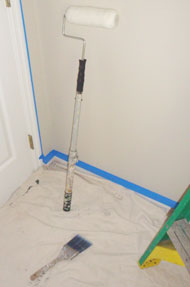
roller – normally comes in 7”or 9” widths. However
many a painter has been know to saw the nap to fit the narrow cages
- but beware since this practice can result in increased shedding on the surface.
And to help address the problem of shedding, it is a good idea before rolling to wrap blue tape
around the nap pressing lightly. Then remove the tape to lift the loose fibers and this will prevent
them from transferring to the painted surface.
Usually for repaints: a 3/8” thick nap will do for glossier paints and 1/2" for flatter sheens.
For new drywall, up to 3/4” naps do the trick. If rolling oil or solvent based paints, either
a mohair nap or a foam nap will help make the application become shedless.
To apply paint to tight spots - the thin ‘hot dog’style roller normally gets
in easily around cabinets, inside closets, around laundry and tight utility
areas with piping and also behind toilets. The handles are handy even
for getting the paint material on door panels before brushing out. For some of
the cleanest applications, woven or foam naps are the preferred
roller nap. One way to extend the life of naps is wrap them foil, which is pliable
and seals out the air - though not for too many cycles on the same nap, and you will
buy fewer naps as a result.
spray – mainly the pumps are utilized by the pros. But if gotten
at the local rental yard, be extra cautious, since the pressure lines can clog without
too much effort and they tend to not get cleaned properly as they should. Types of spray include:
electrostatic (mainly for interior metals & fine finishes) and
HVLP - high volume low pressure for applications such as doors – though
the HVLP approach does mean only a single pass with the paint and therefore no touch up - due
to the fact that it is visibly noticeable on the ultra-smooth coating.
The last type, the
airless sprayer normally satisfies
needs for production across a diverse range of surface applications.
Although it does occasionally require an additional step, it still is worthwhile
under most circumstances. For example, like when spraying paint or sealer with a
capable
gpm (gallon per minute) outfit onto new absorbent drywall, a common practice,
another painter backrolls the material evenly across the wall while working it in.
- Same concept for any number of porous surfaces with the airless rig.